
Electricity costs are becoming a major challenge for industries in Bangladesh. Grid electricity prices have risen to BDT 10.45–12 per unit, while diesel generator power costs nearly BDT 33 per unit. Even gas-based captive power plants are struggling due to limited gas supply and low pressure issues, forcing industries to search for a more stable and affordable alternative.
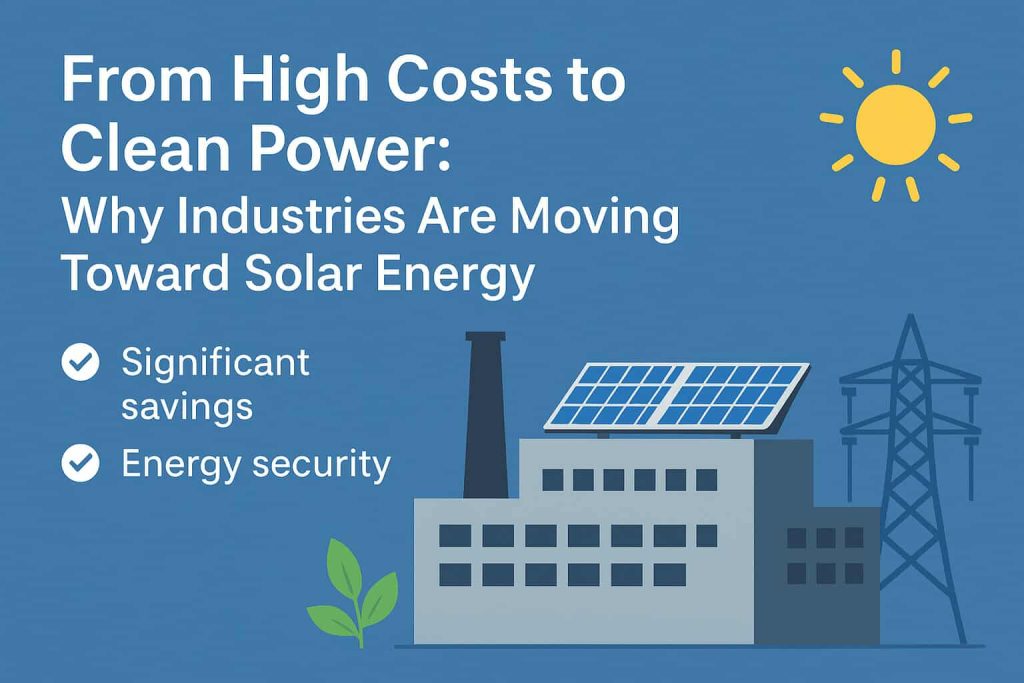
That alternative is solar energy — now available at around BDT 4 per unit, offering significant savings and energy security. Many factories are already restructuring their power infrastructure, often combining solar systems with REB grid connections (33kV lines) to ensure stable operation of their machinery.
However, solar energy is a variable source, which means industries need hybrid systems for smooth performance. These setups often include fuel savers or hybrid controllers that synchronize solar with other power sources like grid or generator, helping reduce fuel use and overall operating costs.
To maximize benefits, net metering systems are essential. An energy meter allows excess solar power to be exported to the grid, ensuring combined billing and transparent savings.
In parallel, lithium-ion battery energy storage systems (ESS) are gaining popularity as the next-generation replacement for generators. When solar power is paired with ESS, the average cost per unit drops to around BDT 8, while ensuring continuous and optimized power for factory operations.
For RMG and export-oriented industries, adopting solar isn’t just a cost decision — it’s also a compliance requirement. International buyers demand sustainable energy adoption, and factories must follow RSC (Ready-Made Garment Sustainability Council) guidelines and BNBC codes before installation. RSC approval ensures the solar design doesn’t overlap with building infrastructure or safety requirements.
The good news: the Bangladesh government supports green financing. Through Bangladesh Bank’s sustainability initiatives, industries can access loans at only 5% interest, while other financial institutions are also promoting green energy investments.
Transitioning to solar energy is a long-term investment — typically 10+ years of reliable operation with minimal operation and maintenance (O&M) costs. For industries under cost pressure and sustainability mandates, solar energy is emerging as the most practical, profitable, and responsible path forward.